



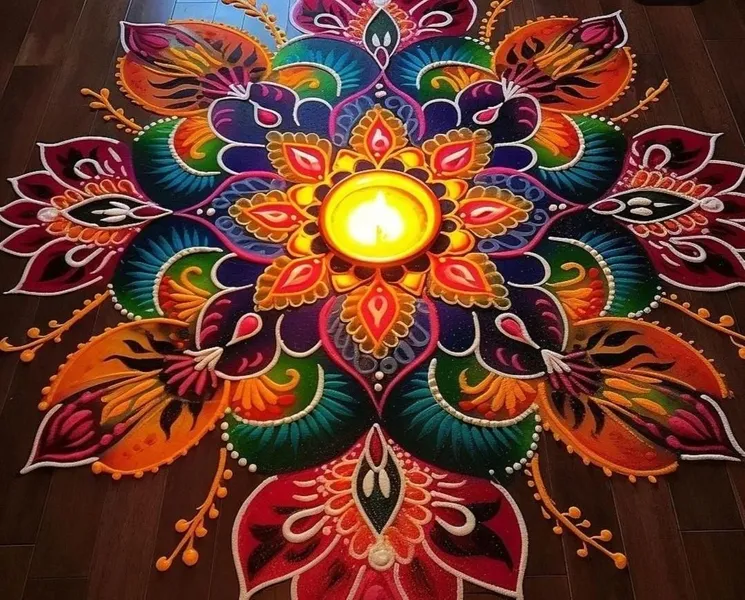
Deepawali, also known as Deepawali, is one of the most important and widely celebrated festivals in India. Known as the “festival of the festival”, it symbolizes the victory of good over evil, light over darkness, and knowledge on ignorance. Every year, millions of people all over the world celebrate this joyful opportunity with enthusiasm, traditions and solidarity.
Importance of Diwali
The story behind Diwali lies in Indian mythology and culture. The most popular legend is from the Ramayana, where Lord Rama returned to Ayodhya after defeating the King Ravana and completing 14 years of exile. To welcome her, the people of Ayodhya burnt rows of earthen lamps, known as Diya, and the city is decorated. Since then, the light of the lamp has become a central part of the Diwali function.
In different parts of India, Diwali also has other meanings. In North India, it marks the return of Rama. In Gujarat, it is associated with Goddess Lakshmi, the goddess of wealth. In Bengal, people worship Goddess Kali on this day. For Sikhs, Diwali imprisonment is associated with the release of Guru Hargobind ji. Jain celebrated it the day when Lord Mahavira attained Nirvana. This diversity not only makes Diwali a festival, but is a cultural bond that units people in areas and religions.
How Diwali is celebrated
Diwali is usually celebrated in five days. Each day has its own importance:
Dresses – The festival begins with the grain, which is considered auspicious for buying new items for gold, silver, utensils, or home in a day. People clean and decorate their homes to welcome prosperity.
Choti Diewali (Narak Shaturdashi) – On this day, people perform rituals to remove negativity and prepare for the main celebration.
Diwali (Main Day) – This is a grand festival when families burnt Diya, broke fireworks, and worshiped Goddess Lakshmi and Lord Ganesha for wealth, happiness and good luck. The houses are decorated with colored rangoli design, flowers and fairy lights.
Govardhan Puja – This day is celebrated to honor Lord Krishna, who raised the Govardhan hill to protect the villagers from the rain. Many prepare special food and provide food to express gratitude.
Brother Dose – The last day of Diwali celebrates the bond between brothers and sisters. The sisters pray for the long life of their brothers, while the brothers in turn give gifts.
Diwali soul
Beyond rituals and traditions, Diwali is about solidarity, love and gratitude. Families come together, exchange sweets, and share gifts. Neighbors meet each other, which creates a sense of community and happiness. It is also a time for forgiveness, new beginning and spreading happiness.
One of the most beautiful aspects of Diwali is the light of lamps and candles. The warm glow of the lamp not only brightens homes, but also represents internal lighting, reminding us to give up negativity and embrace positivity.
Modern day Diwali
In today’s world, Diwali celebrations have developed. While many traditional customs continue with the reviews, awareness about celebrating responsibly is increasing. People are choosing environmentally friendly diyas instead of plastic lights, avoiding loud crackers to reduce pollution, and more focus on spending quality time with family. Many people also increase their ceremonies for donations, donate money to clothes, food, or needy people, ensuring that the festival brings happiness to all.
conclusion
Diwali is more than just one festival; This is a feeling of happiness, hope and renewal. It teaches us to celebrate victory, cherish relationships and spread light wherever we go. Whether illuminating a simple lamp, sharing sweets, or helping someone needs, each gesture adds meaning to this beautiful festival.
As we celebrate Diwali, let us remember its real message – to bring light to our life and life of others. With love, unity and positivity, we can make this Diwali not only a festival of lights, but a festival of hearts.



to bring light to our life